

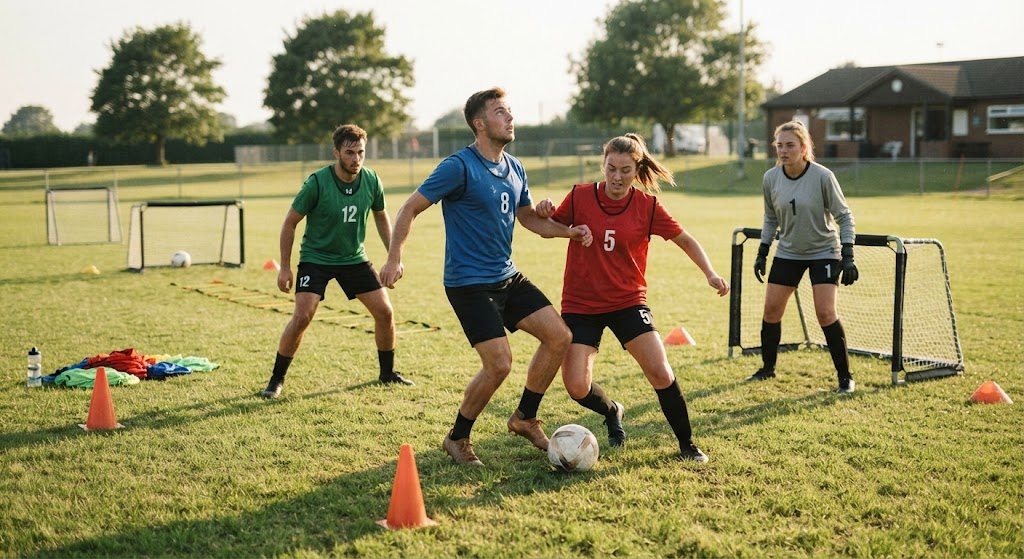
In the evolving landscape of soccer training, position-specific training has emerged as a pivotal approach for coaching youth players. This method acknowledges that different player positions demand unique skill sets and tactical understanding. By focusing on individual roles, coaches can better prepare their athletes for real-game scenarios, enhancing both their performance and enjoyment of the sport.
Understanding Position-Specific Training
Position-specific training tailors drills and exercises to cater to the unique demands of different roles within a soccer team. This approach not only sharpens tactical awareness but also fosters individual skill development suitable for each position. Such training emphasizes the significance of creating specialized drills that mimic in-game situations relevant to specific roles. Coaches adopting this method can ensure that their players are not only technically proficient but also tactically astute, better equipped to make decisions during matches.
Benefits of Tailored Training Approaches
The benefits of position-specific training are manifold. Incorporating specialized drills helps players build confidence in their roles, ensuring they understand both their responsibilities and the intricacies of their positions. This method allows players to:
- Enhance Skill Sets: Players can cultivate skills specific to their position, such as strikers developing finishing techniques while defenders focus on positioning and tackling.
- Increase Tactical Awareness: Training drills can simulate diverse game scenarios, enhancing players’ understanding of their roles within the team’s tactical framework.
- Boost Confidence: With repeated practice of position-specific skills, players gain confidence, making them more effective during matches.
Implementing Position-Specific Drills in Small Groups
Utilizing small group sessions allows coaches to focus on specific tactical situations while maintaining an intimate setting for individualized feedback. This ensures that each player receives the attention they need to develop their skills. A successful implementation strategy can be broken down into distinct phases:
Planning Effective Sessions
Before executing a training session, it’s essential to have a clear plan. Coaches should consider the following factors:
- Identify Objectives: Determine which skills to focus on based on upcoming matches or areas needing improvement.
- Select Relevant Drills: Choose drills that will directly benefit the players’ positions and the overall team strategy.
- Set Up Small Groups: Organize players by position, allowing for focused practice sessions tailored to their specific needs.
Engaging Players in Position-Specific Training
Engagement is key to successful training sessions. To keep players motivated, consider incorporating a variety of exercises that blend fun with skill development. Here are some methods to engage players:
- Competitive Drills: Implement games or drills that encourage competition between players, such as small-sided games focusing on specific skills.
- Incorporate Technology: Utilize video analysis to provide feedback, showing players how their performance aligns with tactical requirements.
- Create a Feedback Loop: Foster an environment where players can discuss their experiences and challenges, encouraging peer-to-peer learning.
Measuring Progress in Position-Specific Development
Regular assessment is vital for tracking player progress in position-specific training. Coaches can utilize various methods to gauge development effectively:
Utilizing Performance Metrics
Incorporating metrics allows coaches to quantitatively assess player performance. This could include:
- Game Statistics: Analyze players’ performance during games, focusing on passes completed, defensive actions, and goal contributions.
- Skill Assessments: Conduct skill drills during training to measure improvement in specific technical areas, such as dribbling or shooting.
- Self-Evaluation: Encourage players to reflect on their performance and set personal goals based on their experiences.
Continuous Development Strategies
To maintain the trajectory of improvement, coaches should continually evolve their training methods. Consider these strategies for ongoing development:
- Adapt Drills: As players progress, modify drills to increase difficulty, ensuring they stay challenged and engaged.
- Encourage Cross-Training: Introduce players to different positions occasionally, allowing them to develop a broader understanding of the game.
- Professional Development for Coaches: Coaches should seek opportunities for further education in position-specific training to enhance their techniques and methodologies.
Conclusion: The Future of Position-Specific Soccer Training
With the increasing complexity of modern soccer, position-specific training represents a vital evolution in coaching tactics. As players benefit from tailored training that aligns with their roles, they grow in skill, confidence, and understanding of the game. Coaches looking to refine their athletes must embrace this approach, ensuring that the next generation of soccer stars is well-prepared to face the challenges of competition.