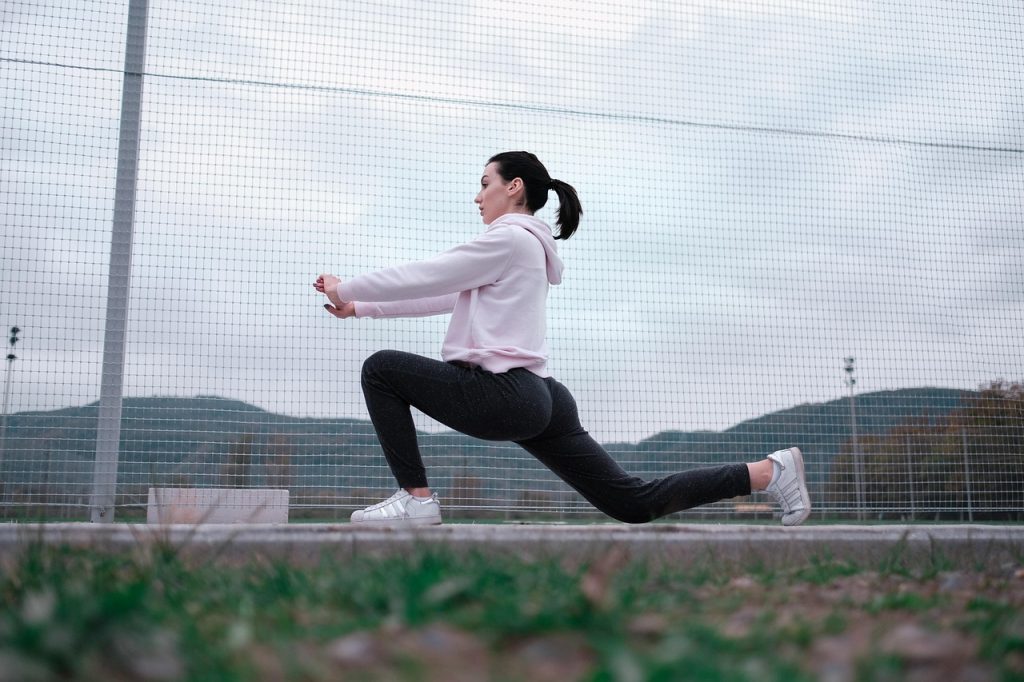

Gymnastics is more than just a sport; it is a comprehensive exercise regimen that combines strength, flexibility, and elegance. Its inclusion in school programs serves as a powerful tool for the physical and psychological development of children. As schools increasingly recognize the need for engaging physical education, gymnastics stands out for its multifaceted benefits. This article seeks to explore how gymnastics programs contribute to the overall growth of students while highlighting their importance in the educational landscape.
The Physical Benefits of Gymnastics in Schools
Participating in gymnastics in schools offers a wide array of physical benefits, essential for young children’s growth and development. It’s crucial to understand how these benefits manifest and why they are indispensable.
Enhancing Strength and Flexibility
Gymnastics requires a diverse set of physical skills, prominently featuring strength and flexibility. Children engaged in gymnastic activities develop their muscles robustly, enhancing not just their physical strength but also promoting better bone health. For example:
- Muscle Development: Regular practice builds inherent body strength, essential for performative gymnastics and productively contributing to overall health.
- Flexibility: Stretching and moving through various positions enhance a child’s flexibility, allowing for improved performance in other physical activities or sports.
Moreover, when performed under supervision, gymnastics significantly contributes to enhancing coordination and balance, factors crucial in every child’s physical literacy. Engaging in routines that require coordination aids children in understanding body control and spatial awareness, leading to proficient motor skills.
Promotion of Cardiovascular Fitness
Through gymnastics, children experience cardiovascular benefits that cannot be overlooked. Exercises such as tumbling, vaulting, and routine performances effectively elevate heart rates, fostering stamina and overall cardiovascular health. A table below illustrates how gymnastics correlates with heart health.
| Activity | Average Heart Rate Increase | Duration of Activity |
|---|---|---|
| Tumbling | 120-130 bpm | 30 minutes |
| Balance Beam | 115-125 bpm | 25 minutes |
| Floor Exercise | 125-135 bpm | 30 minutes |
The Mental and Cognitive Development Through Gymnastics
Aside from physical growth, gymnastics plays a significant role in fostering cognitive and mental advancements among school children. Engaging in gymnastics enables students to harness various cognitive skills that impact their daily lives positively.

Building Discipline and Focus
One of the notable benefits of gymnastics is the discipline it instills in children. Practicing to perfect routines necessitates a consistent routine, where children learn the value of commitment and perseverance. The repetitiveness involved develops their ability to focus, which can translate into better performance in academic settings.
- Setting Goals: Children learn to set realistic goals and the steps required to achieve them.
- Concentration: Focus on executing complex routines sharpens attention and improves learning in class.
Furthermore, gymnastics students often learn to overcome challenges efficiently. As they progress through new skills, they confront fears and develop resilience, a trait invaluable in navigating both academic and personal hurdles.
Cognitive Benefits in Learning Environments
Evidence suggests that physical activities like gymnastics can lead to improved cognitive functioning in students. Activities requiring quick decision-making and the coordination of movements contribute to enhanced memory, problem-solving skills, and critical thinking. Research indicates that engaging in gymnastics can:
- Increase attention spans.
- Facilitate quick thinking during exercises, which translates into efficient decision-making.
Social Skills and Emotional Growth Through Teamwork in Gymnastics
In addition to physical and mental growth, gymnastics fosters social relationships and emotional intelligence. The collaborative nature of gymnastic teams and performances encourages children to build valuable social skills.
Fostering Teamwork and Collaboration
Participating in group exercises allows children to communicate and cooperate with their peers. Such interactions cultivate trust and camaraderie among team members, helping students develop a sense of belonging. Notable social aspects of gymnastics include:
- Engagement in Team Activities: Regular group practices create bonds and friendships among peers.
- Healthy Competition: Participation in competitions fosters a spirit of sportsmanship, teaching children to handle both victory and defeat gracefully.
Emotional Resilience and Self-Confidence
Another pivotal area of growth is emotional resilience. Gymnastics encourages children to push their boundaries, establishing a foundation of self-confidence. The often challenging nature of gymnastics teaches students how to deal with failure and take constructive criticism, positively influencing their self-esteem. Furthermore, the release of endorphins during physical activity serves as an effective stress relief mechanism, ensuring overall emotional well-being. This can be monitored through the following frameworks:
| Skill | Outcome |
|---|---|
| Overcoming Fear | Increased Confidence in Subsequent Challenges |
| Team Performance | Strengthened Emotional Bonds |
| Healthy Competition | Improved Sportsmanship Skills |
The transformation that gymnastics engenders in children is undoubtedly profound and multifaceted, producing well-rounded individuals ready to face the world.