

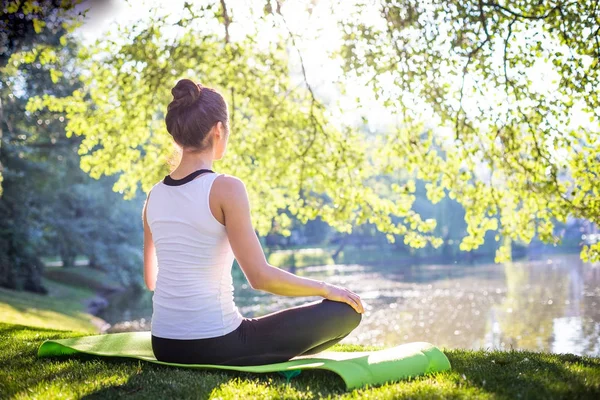
Amidst the rising popularity of mindfulness and meditation, many individuals feel hindered from developing a consistent practice. Despite knowing the myriad benefits, they encounter obstacles that can discourage even the most determined. Understanding these barriers—both internal and external—becomes essential for overcoming them. From distractions to societal pressures, this guide delves into the common hurdles faced by aspiring meditators and offers practical solutions to cultivate a rewarding mindfulness experience.
Recognizing Inner Obstacles to Meditation
Many seekers of mindfulness struggle with internal challenges that hinder their meditation efforts. For example, a significant barrier is a lack of understanding regarding the value of meditation and why it is essential for well-being. Studies have shown that unfamiliarity can lead to feelings of boredom or frustration during practice.
Overthinking and Anxiety
Overthinking is another common internal obstacle. When individuals sit down to meditate, their minds can race with thoughts, often replaying past events or worrying about future tasks. This mental chatter can make it seemingly impossible to focus on the present moment. For example, during meditation, someone might find themselves constantly bringing their attention back to thoughts about an upcoming meeting instead of focusing on their breath.
Physical Discomfort
Physical discomfort from tension or pain can serve as a significant barrier as well. Sitting still, especially for newcomers, might lead to unpleasant sensations. It’s essential to adopt comfortable positions or incorporate tools like cushions. Breath awareness can also help ease discomfort, allowing you to reconnect with your practice.
External Barriers Affecting Your Practice
Besides inner challenges, external factors can influence your ability to meditate effectively. One major hurdle is the lack of supportive social environments. If your friends or family do not value mindfulness, it can be difficult to maintain motivation.
Time Constraints
Many people also face external obstacles like time constraints. In our fast-paced world, finding a few moments to sit in silence can feel impossible. To combat this, consider setting aside just five minutes a day for meditation, gradually increasing the time as you become more comfortable.
Creating a Supportive Environment
Transforming your physical space can also play a significant role in fostering a meditative practice. Designate an area that feels safe and calming, whether it’s a corner of your living room or a cozy nook. Personalize this space with items that inspire a sense of peace—like plants, candles, or personal mementos.
Strategies to Overcome Meditation Obstacles
- Personalize Your Practice: Identify what works best for you, acknowledging your unique emotional landscape and inner experiences.
- Find Your Motivation: Clearly articulate your reasons for practicing meditation. Understanding your “why” can bolster your commitment.
- Establish Routine: Try to meditate at the same time daily, creating a habit that becomes part of your lifestyle.
- Relax and Re-tune: Allow yourself to be gentle during practice, acknowledging that some days will feel easier than others.
- Community Support: Seek out social circles or online groups that value mindfulness, increasing your motivation through shared experiences.
- Focus on Fun: Approach your practice with curiosity and playfulness, allowing exploration without pressure.
Moving Past the Barriers
Remember, meditation is a journey that ebbs and flows. By recognizing both inner and outer obstacles, you can better equip yourself to navigate them. Incorporate strategies that feel authentic to you, allowing for an enjoyable and sustainable practice. In doing so, you can unlock the profound benefits of mindfulness, enriching your life and mental well-being.