

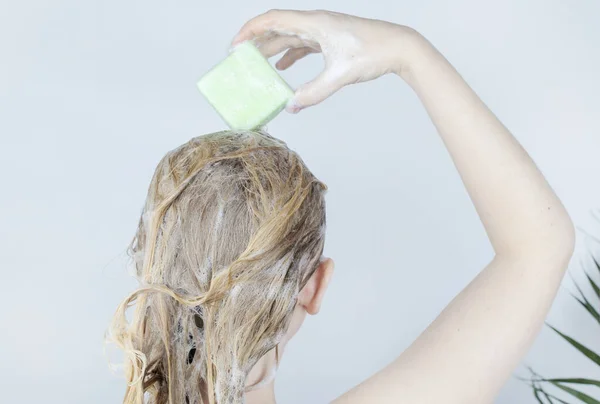
Embarking on a DIY hair care journey can be exciting and empowering. With a plethora of natural ingredients at your fingertips, crafting your own treatments can lead to healthier and more vibrant hair. However, many people fall into common traps that can result in disappointment and damaged strands. Understanding these pitfalls can help you refine your routine and maximize your hair’s potential. As we explore these mistakes, you’ll gain insights on how to navigate your DIY journey with confidence and care.
Overloading Your Hair with Too Many Treatments
One of the most frequent mistakes is the temptation to do too much too often. Initially, the excitement of DIY treatments can lead to back-to-back applications of conditioners, oils, and masks. This approach might seem beneficial, but it can overwhelm your hair, leaving it feeling heavy and lifeless. Striking a balance is essential.
Finding the Right Routine
To prevent overload, establish a simple and balanced routine. Consider spacing out treatments: perhaps one moisturizing mask per week supplemented by a clarifying wash every couple of weeks. This break between treatments allows your hair to breathe and absorb the benefits of each product effectively.
Neglecting Patch Tests
Diving headfirst into new ingredients without conducting patch tests can lead to unexpected reactions. While the allure of trying the latest trend can be high, skipping this crucial step may result in discomfort or allergic reactions. It’s best to remember that even natural ingredients can cause sensitivity.
How to Patch Test Effectively
Take a moment to apply a small amount of the new treatment behind your ear or on your inner wrist. Wait 24 hours to see if any reactions occur. This quick step can save you from unwanted irritation later, ensuring your hair care journey remains enjoyable and safe.
Ignoring Individual Hair Needs
Not every hair type is the same, yet many DIY enthusiasts neglect their unique characteristics when selecting treatment recipes. Blindly following popular trends without considering your hair’s porosity, texture, and thickness can lead to ineffective results.
Customizing Treatments to Your Hair Type
Educate yourself about your hair needs. For example, those with low porosity might find that lightweight oils like grapeseed are more effective than heavier oils like coconut. Keep observing how your hair responds to different treatments to tailor a routine that truly works for you.
Forgetting to Clarify
Heavy treatments can result in product buildup, leading to dull and lifeless hair. Over time, your scalp and hair shafts may accumulate residues that hinder the efficacy of your treatments. This is where regular clarification becomes essential.
Effective Clarification Techniques
Implement a gentle clarifying routine every two to three weeks, perhaps using natural rinses like apple cider vinegar or hibiscus-lemon tea. These methods can effectively lift residues without stripping moisture, allowing your subsequent treatments to function optimally.
Neglecting Aftercare
Once you’ve invested time in a treatment, it’s crucial to give your hair the aftercare it deserves. Many make the mistake of simply rinsing and going, only to find their hair frizzing or losing moisture later in the day.
Simplifying Aftercare Steps
After rinsing out your treatment, apply a lightweight product like aloe vera gel or a nourishing oil while your hair is still damp. Consider wrapping or loosely braiding your hair to protect it during drying. Additionally, using a satin pillowcase while sleeping can help reduce friction and breakage.
Conclusion: Embrace the Learning Process
Mistakes are part of the journey, and each error presents an opportunity for growth. By recognizing these common pitfalls and adapting your approach, you can craft a successful DIY hair care routine that truly supports your hair’s needs. Remember, patience and experimentation are key.