Venturing into the world of gymnastics can be both exhilarating and intimidating. For many beginners, this dynamic sport opens up a world of possibilities, combining physical fitness and artistic expression. Whether your dream is to achieve a perfect routine or simply to improve your overall fitness, understanding the essential skills and tips can significantly streamline your journey.
Fundamental Gymnastics Skills to Master
Before diving into different types of skills and routines, it is crucial to identify the fundamental gymnastics skills that form the backbone of every gymnast’s repertoire. Mastering these will not only give you a solid foundation but will also build your confidence as you progress. Here’s a breakdown of some essential skills every gymnast should learn:
- The Gymnastics Ready Position: This is your starting point, preparing you for any skill and helping maintain balance and focus.
- The Forward Roll: A pivotal skill that teaches body awareness and how to manage forward momentum.
- The Backward Roll: This challenges you to understand backward motion, reinforcing safety, especially for the neck and spine.
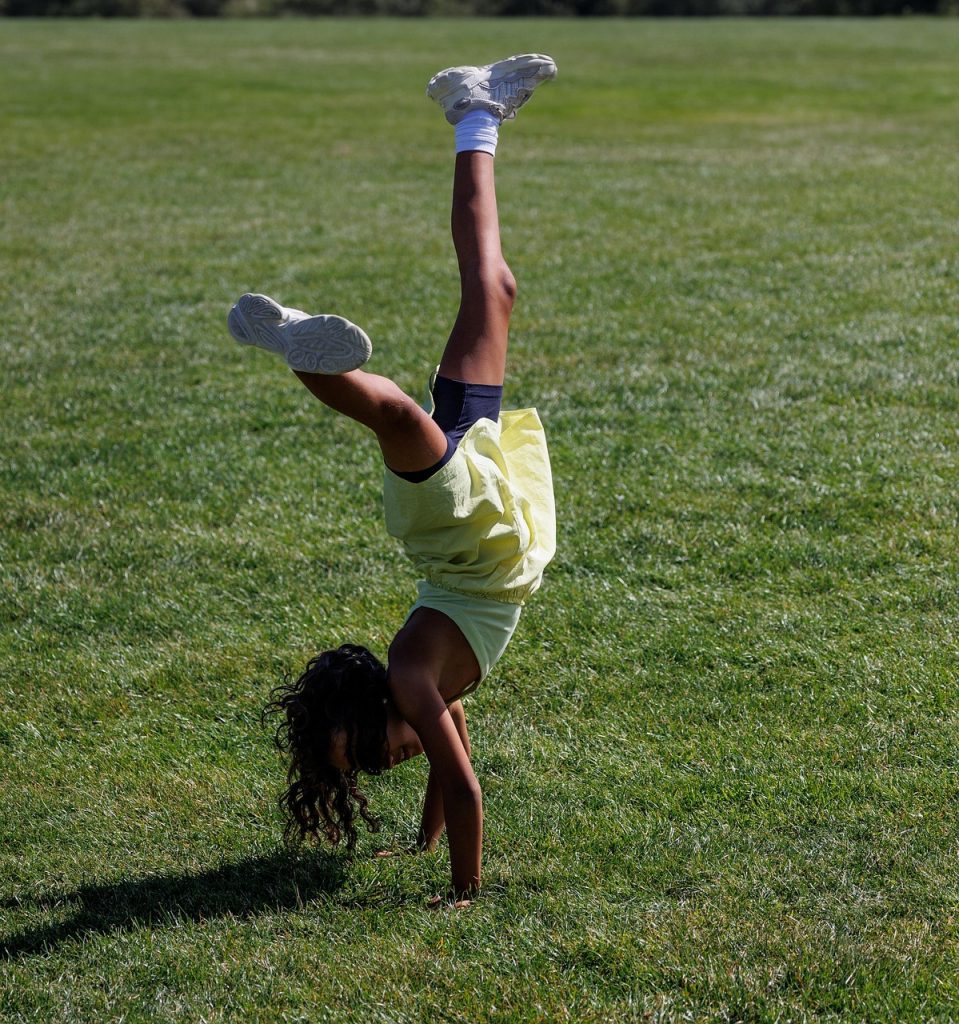
- The Handstand: An impressive skill that tests balance and core strength, crucial for various advanced movements.
- The Cartwheel: This teaches lateral movement and hand placement, serving as a gateway to more complex maneuvers.

Drills to Build Essential Strength
Strength is a critical component in gymnastics. Practicing specific drills can prepare your body effectively for the rigors of the sport. Here are a few exercises that can help you:
- Plank Holds: This exercise builds arm, core, and leg strength.
- Wall Sits: Excellent for toning muscles and improving posture.
- Jump Rope: Enhances coordination and stamina, while also helping balance.
- Flamingo Stand: This helps improve balance and stability in the ankles.
| Exercise | Benefits |
|---|---|
| Plank Holds | Improves strength in arms, core, and legs |
| Wall Sits | Tones muscles and improves posture |
| Jump Rope | Increases coordination and strengthens the entire body |
| Flamingo Stand | Increases ankle strength and prevents injuries |
First Steps in Gymnastics: Basic Skills
As a newcomer to gymnastics, familiarity with basic skills is vital for your development. Starting with simple movements ensures you build a strong foundation, enabling you to grasp more complex techniques later. Below, we explore some fundamental moves:
Forward Roll
The forward roll is one of the first skills taught. It enhances strength and spatial awareness. Here’s how to perform it:
- Hold your hands above your head.
- Get into a tucked position.
- Place your hands on the floor and tuck your neck.
- Push off with your legs and roll forward.
- Stand back up with hands raised.
Backward Roll
The backward roll is another essential skill. It can be challenging for beginners but is pivotal for learning how to manage backward movement.
- Begin by holding hands above your head.
- Go into a ball position.
- Place hands on the floor, tucking in your neck.
- Push off with your legs and roll back.
- End with hands raised.
Flexibility and Core Strength: Key Components
Flexibility is a non-negotiable aspect of gymnastics. It enables gymnasts to perform various stunts effectively while minimizing the risk of injuries. Incorporating stretching routines will enhance your overall performance and agility. Here are some useful stretches:
- Splits: Building leg flexibility, crucial for different gymnastics moves.
- Backbend: Strengthens your back and improves flexibility.
- Leg Swings: A great dynamic stretch to warm up before practice.
- Cobra Stretch: Perfect for enhancing flexibility in the torso.
| Stretch | Benefits |
|---|---|
| Splits | Enhances leg flexibility |
| Backbend | Strengthens back and improves overall flexibility |
| Leg Swings | Dynamic warm-up stretching for legs |
| Cobra Stretch | Enhances torso flexibility |
Progressing to Advanced Skills
As you become comfortable with the basics, the next phase is advancing to more complex skills. Understanding how each skill builds on previous knowledge is crucial for your progression. Advanced skills like the Back Handspring and Cartwheel require a solid foundation to master.
Handstands and Beyond
The handstand is a pivotal skill in gymnastics, requiring proper technique and significant strength. The ability to hold a handstand for several seconds indicates both readiness and strength. To prepare, follow these steps:
- Start by walking legs up a wall for support.
- Squeeze your glutes and core muscles to stabilize your position.
- Push through your arms, ensuring your neck stays neutral.
Essential Gym Gear for Beginners
Having the right gymnastics gear can significantly enhance your experience. While the fundamental skills themselves are vital, ensuring you are equipped properly can lead to better safety and performance. A few essentials include:
- Leotards: Designed to provide comfort and allow for movement.
- Grip Hand Covers: These protect your hands during exercises.
- Gym Mats: Crucial for protecting yourself during practice.
- Footwear: Specialized shoes or socks to enhance grip and support.
| Essential Gear | Purpose |
|---|---|
| Leotards | Comfortable clothing for free movement |
| Grip Hand Covers | Protect hands and improve grip |
| Gym Mats | Safety during practice |
| Footwear | Enhances grip and support |
With these foundational skills, drills, and the right gear, gymnastic enthusiasts can confidently embark on their journey. Remember, dedication and practice are keys to unlocking your potential in the gymnastics world. Whether you aim for elite competition or just want to stay fit, the basics will pave your path. To continue improving, consider exploring Gymnastics Unlimited where you can find additional resources and expert guidance tailored for aspiring gymnasts!