
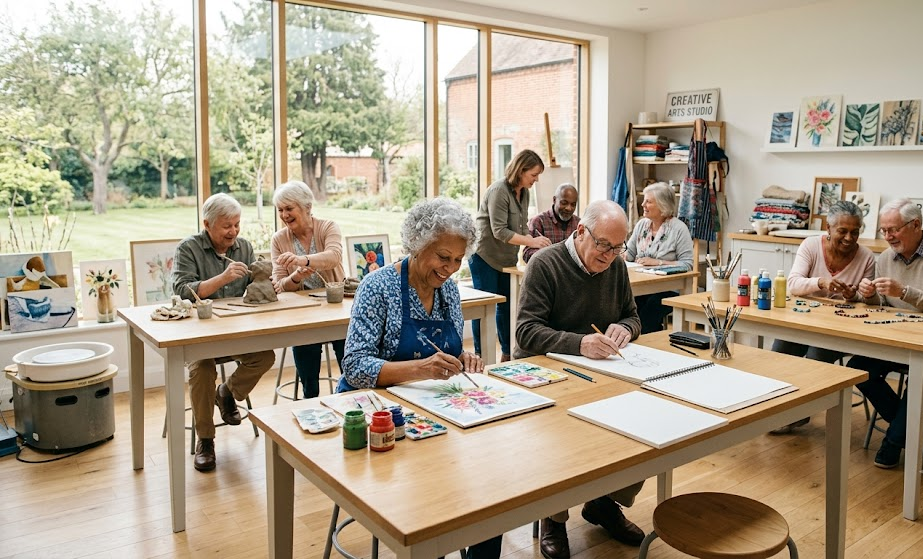
As retirement opens a new chapter in life, many individuals find themselves searching for purpose and engagement. Hobbies are more than just activities; they are gateways to improved quality of life, mental health, and social engagement for seniors. Discover how meaningful pastimes can rejuvenate the spirit, foster connections, and enhance overall well-being.
Exploring the Importance of Hobbies for Seniors
The transition from a busy work life to retirement can be overwhelming for many seniors. Without a structured routine, feelings of boredom and isolation may creep in. Engaging in hobbies offers a pathway to rediscover purpose and joy in everyday life. Research from 2026 underscores that hobbies significantly improve cognitive function, reduce stress, and promote emotional wellness among older adults. By incorporating leisure activities into their daily schedules, seniors can cultivate a sense of identity and connection.
Building Social Connections Through Hobbies
One of the most profound benefits of hobbies is the opportunity for social engagement. Participating in group activities allows seniors to connect with others, reducing feelings of loneliness. These connections can foster friendships and support networks, enhancing mental health and emotional stability. Whether through classes, clubs, or volunteer opportunities, engaging with like-minded individuals brings vitality to retirement.
Enhancing Cognitive Function
Hobbies stimulate the brain, which is vital for maintaining cognitive health as we age. Activities such as puzzles, playing a musical instrument, or learning a new language promote brain plasticity and help delay cognitive decline. A study published in Nature Medicine in 2025 found that consistent engagement in mentally challenging activities strengthens neural pathways, contributing to better memory and problem-solving skills.
- Playing musical instruments improves auditory processing and memory retention.
- Learning new languages enhances cognitive flexibility.
- Engaging in arts and crafts boosts creativity and emotional expression.
Physical Activity: A Core Component of Hobbies
While mental stimulation is essential, physical activity plays a significant role in enhancing the quality of life for seniors. Hobbies that involve movement—such as gardening, walking, or dancing—promote cardiovascular health and improve mobility. Regular physical activity can prevent chronic diseases and enhance balance and coordination, ultimately fostering independence.
Examples of Active Hobbies for Seniors
There are numerous hobbies that integrate physical activity with enjoyment. Seniors can choose activities that fit their interests and capabilities:
- Walking or hiking in nature for both exercise and mental clarity.
- Yoga or tai chi to improve flexibility and balance.
- Dancing classes to boost mood and social interaction.
Participating in such activities can elevate mood and combat feelings of depression and anxiety.
Finding Joy: The Emotional Benefits of Hobbies
Engagement in creative pursuits can lead to emotional relief and happiness. Hobbies like painting, writing, or crafting often induce a state of “flow,” where individuals lose track of time and feel deeply fulfilled. This state can lead to the release of dopamine, enhancing overall mood. Moreover, incorporating mindfulness practices—such as meditation or gardening—can significantly alleviate stress and promote a balanced emotional state.
Social Hobbies That Bring Happiness
Group hobbies not only stimulate the mind but also nurture the soul. Activities that involve social interaction foster a sense of belonging and community. Engaging in shared interests, such as book clubs or gardening groups, empowers seniors to socialize while participating in enjoyable tasks.
- Book clubs stimulate discussion and cognitive engagement.
- Cooking classes offer a platform for creativity and bonding.
- Laughter clubs enhance mood and foster friendships.
How to Choose the Right Hobbies
Finding the right hobbies can be a fulfilling journey for seniors in adult daycare. It’s important to consider personal interests, physical abilities, and social comfort levels. Starting with simple activities that one enjoys can lead to broader explorations. Here are some tips:
- Reflect on past interests and passions to reignite old flames.
- Try out different classes or groups to discover what resonates.
- Consider physical capabilities—activities should be enjoyable, not taxing.
Volunteering: A Fulfilling Hobby for Seniors
Volunteering is often overlooked as a hobby, yet it offers unique benefits, including a sense of purpose and community contribution. Whether mentoring younger individuals or participating in local charity events, volunteering provides structure and emotional rewards. This activity can provide seniors with feelings of value and connection.
Ways to Get Involved in Volunteering
Organizations often welcome senior volunteers. Here are some opportunities that might interest retirees:
- Local animal shelters often seek volunteers for various tasks.
- Libraries and community centers may need assistance with projects or programs.
- Food banks frequently look for volunteers, offering a way to give back.
The Final Impact of Hobbies on Seniors’ Lives
Embracing hobbies profoundly enhances the quality of life for seniors. They nourish the mind, body, and spirit while fostering meaningful connections with others. The potential of leisure activities to enrich emotional well-being and cognitive health is vast. As individuals explore hobbies that resonate with them, they reclaim a sense of purpose and joy in their lives, paving the way for fulfilling and vibrant later years.