
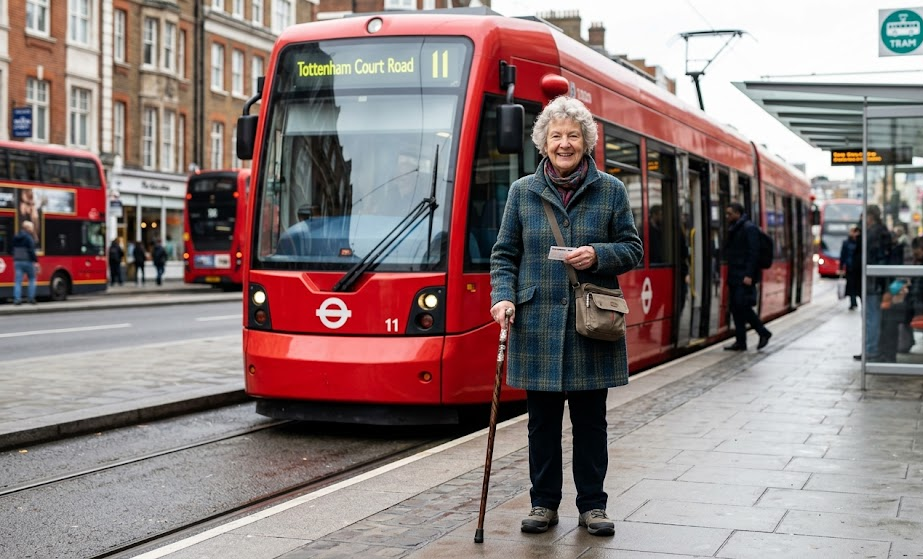
As the world ages, transportation challenges for older adults become increasingly apparent. The growing aging population necessitates a deeper understanding of their mobility needs. Today, many seniors grapple with transportation barriers that hinder their independence and social integration, revealing a pressing issue in our increasingly urbanized society.
Understanding Transportation Challenges for Older Adults
Today, older adults face numerous transportation challenges that impact their quality of life and sense of autonomy. The reliance on vehicles often declines as individuals age, leading to increased dependence on public transport, ride-sharing services, and community programs. However, several factors complicate this transition.
Assessing Mobility and Accessibility
Access to reliable transportation is pivotal for maintaining independence. Yet, many older adults encounter substantial hurdles related to mobility and accessibility. For instance, public transport systems often lack features tailored to the needs of seniors, such as:
- Inadequate seating and space for mobility aids
- Poorly designed schedules that do not align with seniors’ routines
- Infrastructure challenges, including poorly maintained sidewalks and bus stops
These barriers can lead not only to reduced mobility but also to feelings of social isolation, further exacerbating the challenges faced by the elderly. Understanding the importance of accessibility is essential to enhancing their transport experiences.
Evaluating Safety in Transportation Options
Safety is a paramount concern for seniors relying on various transportation methods. Challenges arise not just from physical mobility, but also from the risks associated with the environment around them. Factors such as driver licensing policies can play a significant role in maintaining safety.
Implementing Safe Practices
Ensuring a safe travel experience involves both policy measures and community engagement. Some essential considerations include:
- Implementing training programs for senior drivers to refresh their safety skills
- Engaging communities in creating safer pedestrian zones
- Promoting ride-sharing services that cater specifically to older adults
By focusing on these practical safety measures, communities can significantly enhance the overall transportation experience for older citizens.
Enhancing Public Transport Accessibility
The role of public transport is critical for fostering social engagement among older adults. However, the existing systems often do not meet their specific needs. Enhancing public transport accessibility involves examining and addressing several key aspects.
Innovating for Inclusivity
To accommodate seniors better, transit authorities should consider the following:
- Adjusting service hours to align with older adults’ schedules
- Improving route maps and signage for clarity
- Training staff to assist elderly passengers effectively
Such innovations can significantly improve the effectiveness of public transport systems, ensuring that seniors remain active participants in their communities.
Expanding Ride-Sharing Opportunities
In recent years, ride-sharing services have emerged as a popular alternative for seniors with challenges in using traditional transportation. The flexibility offered by these options can be invaluable. However, they too come with their own set of barriers.
Bridging the Gap with Technology
To maximize the benefits of ride-sharing for older adults, it is crucial to address technological barriers. This can include:
- Providing training on how to use ride-sharing apps
- Developing dedicated services that focus on the unique needs of seniors
- Encouraging partnerships between tech companies and senior advocacy groups
By bridging the gap between technology and accessibility, older adults can enjoy the seamless convenience that ride-sharing services offer.
Fostering Community Engagement
Addressing the transportation needs of older adults is not solely the responsibility of government entities. Community involvement is crucial. Engaging local organizations can alleviate many of the aforementioned challenges.
Creating Collaborative Solutions
Communities can play a pivotal role in enhancing transportation for the elderly by:
- Establishing volunteer driver programs
- Developing social networks that facilitate shared transportation
- Promoting educational workshops on available transport options
These collective efforts can strengthen the social fabric, enabling older adults to maintain their independence and engage meaningfully with those around them.
In summary, the challenges faced by older adults concerning transportation demand a multi-faceted approach. By improving mobility, ensuring safety, enhancing accessibility, expanding ride-sharing options, and fostering community engagement, society can pave the way for a more inclusive and supportive environment. As we navigate the complexities of the aging population, it is imperative to advocate for tailored solutions that empower seniors to continue living vibrant, connected lives.